

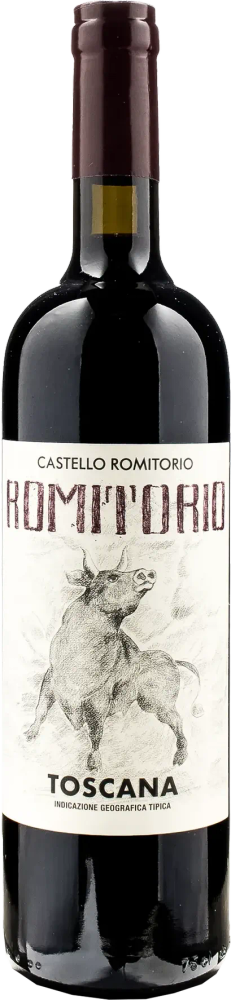
Romitòro (2020)
SommeliAI Insights
A bold Tuscan red blend of Syrah and Petit Verdot, offering rich dark fruit flavors with hints of spice and tobacco.
About this wine
The 2019 Castello Romitorio Romitoro is a full-bodied Tuscan red that combines Syrah and Petit Verdot, resulting in a wine with deep concentration and balance. On the nose, it presents aromas of blackberries, plums, and subtle notes of sweet tobacco. The palate is rich with flavors of dark fruits, complemented by hints of spice and a touch of mocha. The tannins are bold yet smooth, providing a well-rounded structure. This wine showcases the successful integration of French varietals in Tuscany, delivering a robust and enjoyable drinking experience.
About the grape
Syrah and Petit Verdot, both originally French grape varieties, have found a successful home in Tuscany's moderate climate. Syrah, known for its deep color and rich flavors, thrives in Tuscany's warm days and cool nights, developing complex aromas. Petit Verdot, traditionally a blending grape in Bordeaux, adds structure and depth, contributing to the wine's aging potential. Their cultivation in Tuscany showcases the region's ability to adapt and excel with international varietals.
Quick facts
- 🍇 Romitoro 2019 is a Super Tuscan blend of Syrah and Petit Verdot, showcasing how French grape varieties can thrive in Tuscany's moderate climate.
- 🛢️ The wine undergoes approximately 12 months of aging in oak barrels, contributing to its rich flavor profile.
- 🏰 Castello Romitorio, the winery producing Romitoro, is housed in a historic castle with origins dating back to Roman times.
- 🏅 The 2019 vintage received a 93-point rating from Wine Advocate, highlighting its excellent balance, intensity, and richness.
- 🍷 Romitoro 2019 exhibits flavors of dark fruit, plum, spice, and sweet tobacco, reflecting the unique terroir of Tuscany.
Palate profile
Producer
Castello Romitorio, located in Montalcino, Italy, is a historic winery renowned for its Brunello di Montalcino wines. The estate's origins date back to the 12th century, serving various roles over the centuries, including a monastery and a fortress. In 1984, artist Sandro Chia acquired the property, restoring it and transforming it into a winery that blends art and winemaking. The estate is notable for its unique combination of contemporary art and traditional winemaking practices.
